
Introduction
White hair has long been associated with aging, wisdom, and life experience. However, in recent years, many people have begun noticing white or grey strands appearing much earlier than expected. Teenagers, young adults, and people in their twenties and thirties are increasingly facing premature greying, leading to concern, confusion, and a strong desire to understand why it happens. The topic has gained attention across health and wellness platforms, including discussions inspired by wellhealthorganic.com/know-the-causes-of-white-hair-and-easy-ways-to-prevent-it-naturally, which focuses on natural and holistic solutions.
Understanding the science behind hair color, the factors that influence pigmentation, and the lifestyle choices that accelerate or slow down the greying process is essential. This article explores the real causes of white hair in depth and explains easy, natural ways to prevent it without relying on chemical treatments or harsh products.
Understanding Hair Pigmentation and Natural Color
Hair color is determined by a pigment called melanin, which is produced by specialized cells known as melanocytes located in the hair follicles. There are two main types of melanin responsible for hair color, one that creates darker shades and another that produces lighter tones. The combination and concentration of these pigments define whether hair appears black, brown, blonde, or red.
As long as melanocytes function properly, hair continues to grow with its natural color. When melanin production slows down or stops, hair strands lose their pigment and appear grey or white. This process can happen gradually over time or suddenly due to internal or external factors. The insights shared in wellhealthorganic.com/know-the-causes-of-white-hair-and-easy-ways-to-prevent-it-naturally emphasize that premature greying is often a sign of imbalance rather than an inevitable condition.
Genetic Influence on White Hair

One of the strongest factors influencing when a person develops white hair is genetics. If parents or grandparents experienced early greying, there is a higher likelihood that the same pattern will occur in future generations. Genetic programming affects how long melanocytes remain active and how efficiently they produce melanin.
While genetics cannot be changed, understanding this influence helps set realistic expectations. Even if early greying runs in the family, lifestyle choices and natural care can still slow down the process. Many natural health discussions, including those related to wellhealthorganic.com/know-the-causes-of-white-hair-and-easy-ways-to-prevent-it-naturally, focus on managing genetic tendencies through supportive habits.
Nutritional Deficiencies and Their Impact on Hair Color
Nutrition plays a vital role in maintaining healthy hair pigmentation. Deficiencies in essential vitamins and minerals can weaken melanocyte activity, leading to early greying. Vitamin B12 deficiency is one of the most commonly linked causes of premature white hair. Low levels of iron, copper, zinc, and folic acid can also disrupt melanin production.
A diet lacking fresh fruits, vegetables, whole grains, and protein sources deprives hair follicles of the nutrients they need to function properly. Over time, this nutritional imbalance shows up as dull hair, hair fall, and early greying. Addressing these deficiencies through natural food sources is a key theme in wellhealthorganic.com/know-the-causes-of-white-hair-and-easy-ways-to-prevent-it-naturally and similar wellness approaches.
Role of Stress in Premature Greying
Chronic stress has a powerful impact on overall health, including hair health. Prolonged emotional or physical stress increases the production of stress hormones, which can interfere with melanocyte function. Stress also contributes to oxidative damage, creating an environment where pigment-producing cells struggle to survive.
Research suggests that intense stress may even cause sudden greying by depleting melanocyte stem cells. Modern lifestyles filled with pressure, irregular sleep, and constant screen exposure only worsen the situation. Learning stress management techniques such as mindfulness, meditation, and regular physical activity can help protect natural hair color, as discussed in wellhealthorganic.com/know-the-causes-of-white-hair-and-easy-ways-to-prevent-it-naturally.
Hormonal Imbalances and White Hair
Hormonal changes in the body can significantly affect hair pigmentation. Thyroid disorders, in particular, are known to trigger premature greying. Both hypothyroidism and hyperthyroidism disrupt metabolic processes, which can weaken hair follicles and reduce melanin production.
Other hormonal changes related to puberty, pregnancy, or chronic endocrine disorders can also influence hair color. When hormones fluctuate, the body prioritizes essential functions over cosmetic ones, and hair pigmentation may suffer as a result. Natural lifestyle adjustments, balanced nutrition, and proper medical guidance can help restore hormonal balance and support healthy hair.
Oxidative Stress and Free Radical Damage

Oxidative stress occurs when the body produces more free radicals than it can neutralize with antioxidants. These free radicals damage cells, including melanocytes, accelerating the greying process. Pollution, smoking, excessive sun exposure, and unhealthy diets increase oxidative stress levels.
Antioxidant-rich foods help counteract this damage and preserve melanin production. Fruits, vegetables, nuts, and seeds provide natural compounds that protect hair follicles from oxidative harm. The philosophy behind wellhealthorganic.com/know-the-causes-of-white-hair-and-easy-ways-to-prevent-it-naturally strongly supports reducing oxidative stress through clean, natural living.
Excessive Use of Chemical Hair Products
Frequent use of chemical-laden hair dyes, shampoos, and styling products can damage the scalp and hair follicles. Harsh chemicals strip natural oils, irritate the scalp, and weaken melanocytes over time. While dyes may temporarily cover white hair, they often worsen the underlying problem.
Switching to mild, natural hair care products allows the scalp to heal and supports healthier hair growth. Natural oils and herbal treatments nourish hair from the roots, helping maintain natural color for longer. This approach aligns closely with the guidance found in wellhealthorganic.com/know-the-causes-of-white-hair-and-easy-ways-to-prevent-it-naturally.
Smoking and Lifestyle Habits
Smoking has been directly linked to premature greying. Toxins from cigarettes damage hair follicles, restrict blood flow, and increase oxidative stress. Smokers are significantly more likely to develop white hair at an early age compared to non-smokers.
Other unhealthy habits such as excessive alcohol consumption, irregular sleep patterns, and lack of physical activity also contribute to early greying. Making positive lifestyle changes improves circulation, nutrient delivery, and overall hair health. Holistic platforms like wellhealthorganic.com/know-the-causes-of-white-hair-and-easy-ways-to-prevent-it-naturally consistently emphasize lifestyle correction as a foundation for prevention.
Natural Ways to Prevent White Hair
Preventing white hair naturally requires a consistent and patient approach. Nourishing the body from within is more effective than relying on quick cosmetic fixes. A diet rich in leafy greens, fresh fruits, whole grains, nuts, seeds, and adequate protein supports melanin production.
Staying hydrated helps maintain scalp health and promotes nutrient absorption. Drinking enough water daily keeps hair follicles active and resilient. Regular physical movement improves blood circulation, ensuring that hair roots receive oxygen and nutrients efficiently.
Importance of Traditional Hair Care Practices
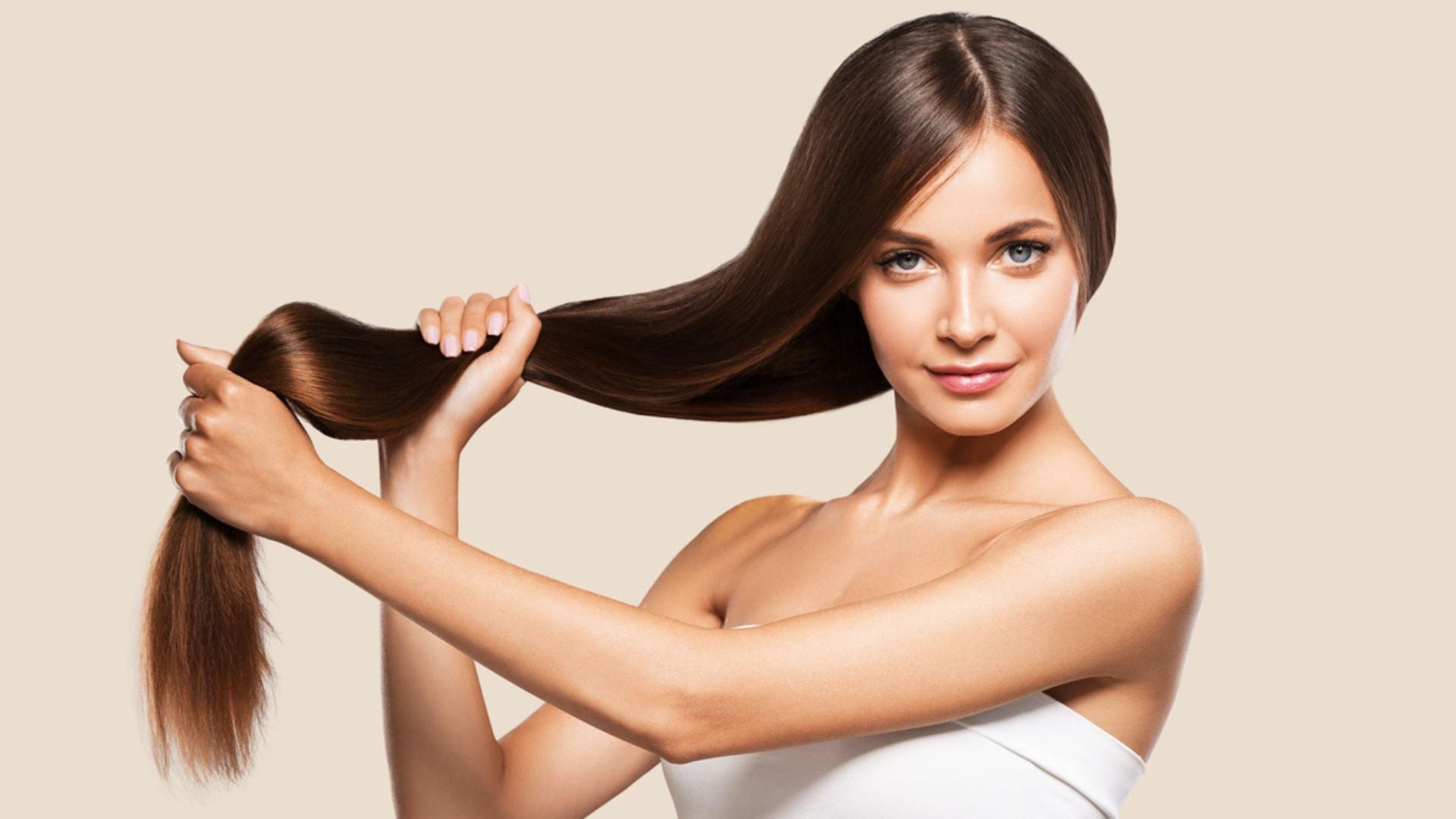
Traditional hair care methods passed down through generations often focus on strengthening hair roots and maintaining natural color. Regular oil massage using natural oils improves scalp circulation and nourishes hair follicles. Herbal pastes and rinses help cleanse the scalp without stripping essential oils.
Consistency is key when following traditional practices. While results may take time, these methods support long-term hair health without side effects. The natural wisdom highlighted in wellhealthorganic.com/know-the-causes-of-white-hair-and-easy-ways-to-prevent-it-naturally reflects this slow but sustainable approach.
Role of Sleep in Hair Pigmentation
Quality sleep plays a critical role in cell repair and regeneration. During deep sleep, the body restores damaged cells and balances hormone levels. Lack of sleep increases stress hormones and oxidative damage, which can accelerate greying.
Maintaining a regular sleep schedule allows the body to function optimally, including the processes responsible for hair pigmentation. Adequate rest is often overlooked but is essential for preserving natural hair color.
Scalp Health and Its Connection to White Hair
A healthy scalp provides the ideal environment for hair growth and pigmentation. Poor scalp hygiene, buildup of dead skin cells, and clogged follicles can interfere with melanin production. Gentle cleansing and regular scalp massage keep follicles active and responsive.
Natural scalp care routines improve blood flow and nutrient delivery, helping melanocytes perform their function effectively. Healthy scalp habits form a central theme in discussions inspired by wellhealthorganic.com/know-the-causes-of-white-hair-and-easy-ways-to-prevent-it-naturally.
Mental Wellbeing and Hair Health
Mental health and hair health are deeply connected. Anxiety, depression, and emotional exhaustion can disrupt hormonal balance and increase oxidative stress. Over time, these factors contribute to premature greying.
Practicing mindfulness, engaging in hobbies, and maintaining social connections help reduce mental strain. Emotional balance supports physical health, including the systems responsible for hair color maintenance.
Can White Hair Turn Black Again Naturally

In some cases, early-stage greying caused by stress, nutritional deficiencies, or temporary imbalances can be partially reversed. When the underlying cause is addressed, melanocytes may regain some function. However, hair that has completely lost pigment due to age or genetic factors is unlikely to return to its original color.
Natural prevention focuses on slowing progression rather than promising complete reversal. This realistic perspective is echoed in wellhealthorganic.com/know-the-causes-of-white-hair-and-easy-ways-to-prevent-it-naturally, which encourages care, patience, and consistency.
Long-Term Approach to Preventing White Hair
Preventing white hair is not about quick remedies but about long-term lifestyle alignment. Balanced nutrition, stress management, natural hair care, and healthy daily routines work together to protect hair pigmentation.
Listening to the body’s signals and addressing imbalances early can make a significant difference. Hair health reflects internal health, and caring for one naturally improves the other.
Conclusion
White hair is a natural biological process, but premature greying often signals deeper imbalances related to nutrition, stress, lifestyle, and overall wellbeing. Understanding the root causes empowers individuals to take control of their hair health using natural, sustainable methods.
By focusing on nourishment, reducing stress, maintaining scalp health, and adopting mindful habits, it is possible to slow down the greying process and preserve natural hair color for longer. The holistic insights associated with wellhealthorganic.com/know-the-causes-of-white-hair-and-easy-ways-to-prevent-it-naturally remind us that true prevention begins from within and thrives on consistency rather than quick fixes.
Read More:- Beauty Tips Well Health Organic.com for Natural Skin and Hair