
Adopting a vegan or a vegetarian diet offers many health benefits, including increased intake of dietary fiber, vitamins, and plant compounds. However, eliminating animal products can lead to nutritional gaps if not carefully managed. This guide examines common deficiencies in plant-based diets and provides strategies to maintain optimal health.
Vitamin B12 Deficiency
Vitamin B12 is necessary for red blood cell formation and neurological function. It is predominantly found in animal products, making deficiency a concern for those following plant-based diets. Symptoms of B12 deficiency include fatigue, anemia, and neurological issues such as tingling sensations and cognitive disturbances. Long-term deficiency can lead to serious nerve damage.
Plant-Based Sources and Supplementation
To maintain adequate B12 levels, individuals should consume fortified foods like plant-based milks, breakfast cereals, and nutritional yeast. Regular supplementation with B12 is also recommended to prevent deficiencies, as plant-based sources do not naturally contain sufficient amounts.
Iron Deficiency
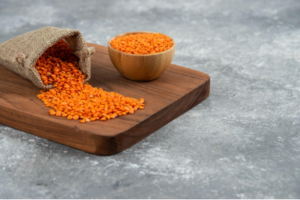
Iron is necessary for oxygen transport in the blood. Plant-based diets can provide iron, but the non-heme form found in plants is less readily absorbed than the heme iron from animal products. Iron deficiency can lead to anemia, characterized by fatigue, dizziness, and weakened immune function. Those at higher risk include menstruating women, athletes, and pregnant individuals.
Increasing Iron Absorption
Consuming iron-rich plant foods such as lentils, chickpeas, tofu, quinoa, and spinach is beneficial. Pairing these foods with vitamin C-rich options like bell peppers, citrus fruits, and tomatoes can improve absorption. Avoiding tea and coffee during meals can also support iron uptake, as tannins in these beverages can hinder absorption.
Omega-3 Fatty Acids
Omega-3 fatty acids, particularly EPA and DHA, support cardiovascular and neurological health. While commonly sourced from fish, plant-based diets can obtain omega-3s from flaxseeds, chia seeds, walnuts, and hemp seeds. However, the conversion of ALA (the plant-based omega-3) to EPA and DHA in the body is limited.
Alternative Sources
Including algae-based supplements can provide direct sources of DHA and EPA, supporting heart and brain health without animal products. Regular consumption of these supplements is recommended for those who do not consume fish.
Calcium and Vitamin D
Calcium is important for bone health, and vitamin D facilitates its absorption. Plant-based sources of calcium include fortified plant milks, tofu made with calcium sulfate, almonds, tahini, and leafy greens like kale and bok choy. Vitamin D can be synthesized through sun exposure; however, factors like geographic location and skin pigmentation can affect this process.
Strategies for Adequate Intake
Regular consumption of fortified foods and safe sun exposure practices are recommended. During months with limited sunlight, vitamin D supplementation may be necessary to maintain optimal levels. Some plant-based sources of vitamin D include fortified plant-based milk and mushrooms exposed to sunlight.
Zinc Deficiency
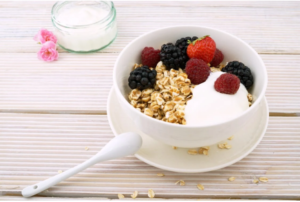
Zinc supports immune function and wound healing. Plant-based sources include legumes (lentils, chickpeas, beans), nuts and seeds (pumpkin seeds, cashews, sunflower seeds), and whole grains (quinoa, oats, brown rice). However, phytates in these foods can inhibit zinc absorption, making it harder to get enough from diet alone.
Improving Zinc Absorption
Soaking, sprouting, and fermenting legumes and grains can reduce phytate content, making zinc more available. Diversifying dietary sources and considering supplementation can also help maintain adequate zinc levels, particularly for those who may struggle to get enough through food alone.
Iodine Deficiency
Iodine supports thyroid function. Plant-based diets may lack sufficient iodine, leading to thyroid imbalances. The thyroid gland uses iodine to produce thyroid hormones, which regulate various bodily functions, including metabolism, growth, and energy production. When the body does not get enough iodine, it can lead to a range of health problems, particularly related to thyroid health.
Preventing Iodine Deficiency
Including iodized salt and sea vegetables like nori can help provide adequate iodine intake. Those avoiding iodized salt should consider iodine supplements to prevent thyroid-related issues.
Selenium Deficiency
Selenium plays a role in reproduction, metabolism, and DNA synthesis. Plant-based sources include Brazil nuts, sunflower seeds, and mushrooms. Since selenium content in plant foods depends on soil quality, those living in regions with selenium-poor soil may need to monitor intake closely.
Preventing Selenium Deficiency
Consuming a few Brazil nuts weekly can provide the necessary selenium intake. However, excessive intake can lead to toxicity, so portion control is important. Sunflower seeds and whole grains can also help maintain adequate selenium levels.
Vitamin A
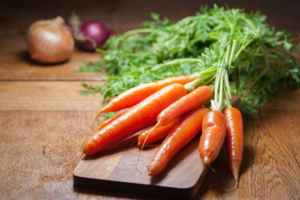
Vitamin A is important for vision and immune function. While beta-carotene in carrots, sweet potatoes, and spinach can be converted to vitamin A, the conversion efficiency varies among individuals. Some may require additional sources to meet their needs.
Boosting Vitamin A Intake
Including a variety of colorful fruits and vegetables can support adequate vitamin A levels. Pairing these foods with a healthy fat source, such as nuts or avocado, can improve absorption.
Protein Intake
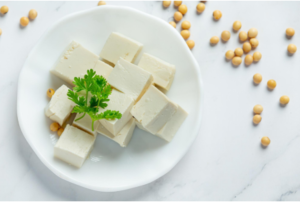
Adequate protein is necessary for muscle maintenance and overall health. Plant-based sources include legumes, tofu, tempeh, seitan, quinoa, and a variety of nuts and seeds. Some plant proteins lack one or more essential amino acids, but combining different protein sources throughout the day can help cover all amino acid needs.
Maintaining Protein Intake
Eating a diverse range of plant proteins ensures a balanced amino acid profile. Options such as lentils with rice, hummus with whole wheat pita, and peanut butter on whole-grain bread provide complete protein combinations.
Choline Deficiency
Choline is important for brain function and liver health. Since it is mostly found in eggs and meat, those on plant-based diets may struggle to get enough. Symptoms of choline deficiency include memory problems and muscle damage.
Getting Enough Choline
Plant-based sources include tofu, soybeans, quinoa, broccoli, and peanuts. While these foods contain choline, those on strict vegan diets may need to track intake or consider supplementation.
Obtain a Legit Doctor’s Note for Medical Leave From My Dr’s Note
Maintaining a balanced vegan or vegetarian diet requires careful planning to avoid nutritional deficiencies that can impact energy levels, immune function, and neurological health.
My Dr’s Note offers services such as online doctor’s notes for work or school and FMLA certifications to support your health needs. You can easily buy a doctor’s note online to receive medical leave from work or school.
Contact My Dr’s Note today for an online doctor’s note!
About the Author
Specializing in plant-based nutrition, the writer has authored numerous articles and guides to assist individuals in achieving balanced and healthy diets.
