
Introduction
The inner thighs are a very important muscle group in the body, but people often forget about them. The adductors, which are the anatomical name for these muscles, help keep the hips stable, control leg movement, and support everyday activities like walking, bending, and getting up from a seated position. People often think about working out their quadriceps, hamstrings, or glutes when they think about leg exercise. However, the inner thighs silently assist all of these muscle groups by keeping them in line and balanced.
The adductor muscle group is made up of a number of muscles that function together instead of alone. These muscles pull the legs toward the center of the body, which is especially crucial for keeping balance when moving one leg at a time. If you don’t have enough strength in this area, your hips and knees could get hurt or strained. This is one of the reasons why a focused inner thigh workout is so helpful for both athletes and regular people who want to get in shape.
Another essential thing about the muscles in the inner thigh is that they are linked to posture and the symmetry of the lower body. If your adductors are weak, your knees may bend inward when you move, which can create pain or long-term joint problems. Strengthening this area helps the upper and lower legs work together better, which makes the body move more safely and efficiently.
Why it’s important to Work out Your Inner Thighs

Training your inner thighs isn’t just about how they look or getting a certain body form. People typically want to have toned inner thighs, but the real benefit is in having practical strength. The adductors help keep the pelvis stable, especially when you run, jump, or change direction abruptly. When these muscles are weak, other muscles have to work harder, which makes you more tired and increases your chance of being unbalanced.
If you sit for long periods of time, the muscles in your inner thighs may not work as hard as they should. This can make your hips tight and make it harder to move. Regular exercise helps wake up these muscles and get them moving the right way again. Over time, better muscular activation can make your lower body stronger and more durable.
Strong inner thighs help you do better in sports and other physical activities. Cycling, football, yoga, and dancing all depend on having stable hips and being able to move your legs in a controlled way. An effective inner thigh workout meets these needs by improving muscle and control, which makes motions feel smoother and stronger.
The Adductor Group’s Structure and Function
The adductor muscles are the adductor longus, adductor brevis, adductor magnus, gracilis, and pectineus. The legs are pulled inward by all of these muscles, although they each have a slightly different job. The adductor magnus is the biggest and strongest muscle in the group. It helps the hip extend and stay stable.
These muscles act with the hip flexors and glutes to keep the femur in the right place in the hip socket. When the adductors are strong, they assist keep your body in the right position while doing squats, lunges, and other activities that work more than one muscle group. This position takes some of the pressure off of the knees and lower back.
Knowing how the inner thigh is built will help you understand why targeted exercise works so well. Many compound exercises indirectly work the adductors, but targeted motions make sure these muscles get adequate stimulation to get stronger and more flexible. This is very important for people who feel tightness or weakening in their hips.
The Benefits of Working Out Your Inner Thighs
An inner thigh workout that focuses on that area has several benefits that go beyond just toning the muscles. Better balance is one of the most obvious changes. Strengthening the adductors improves control and coordination because they help keep the body stable when moving one leg at a time.
Another good thing is that it makes you more flexible and gives you more range of motion. The hips can move more easily when the muscles in the inner thigh are strong and flexible. This can help with stiffness and make it simpler to move around over the day. Better mobility can also help your posture and make your lower back feel better over time.
Another big benefit is that it helps prevent injuries. Strong inner thighs help keep the knees and hips in line while you move, which protects them. This is especially helpful for runners and other athletes who put a lot of stress on their lower bodies over and over again. Training regularly lowers the chances of getting strains and injuries from overuse in the groin and hip area.
Getting Your Body Ready for Inner Thigh Workouts
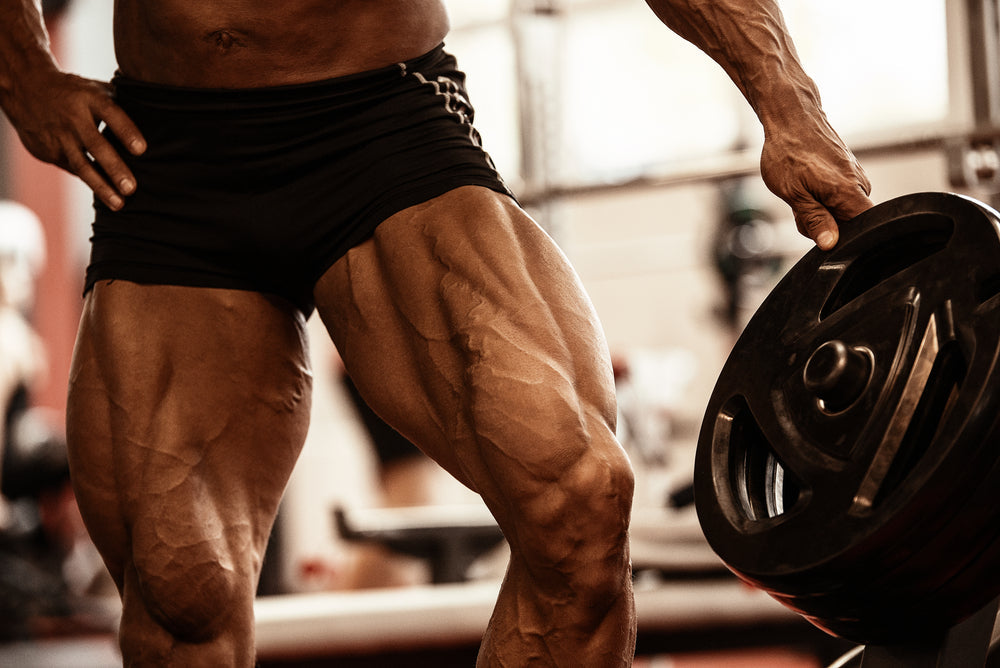
Before you start any strength training program, you need to become ready. Warming up the body gets the blood flowing to the muscles and gets the joints ready to move. Gentle dynamic motions that use the hips and legs can help loosen up tight muscles in the inner thigh.
Another crucial part is the connection between the mind and the muscles. A lot of people have trouble feeling their inner thighs moving when they workout. Taking a moment to think about controlled movement and good alignment can make a big difference in how well your muscles work. With practice, this awareness gets simpler, and with time, it leads to better results.
Breathing is another component that helps with good training. Breathing slowly and in a controlled way helps keep everything stable and lets the muscles work well. When the body is calm and concentrated, movements feel smoother and more controlled. This is especially useful for inner thigh workout.
Important Inner Thigh Exercises and Why You Should Do Them
You can do inner thigh exercises using your own body weight, resistance bands, or gym equipment. Each kind of resistance has its own pros and cons. Bodyweight exercises are great for beginners because they give the muscles time to get used to the new movements. Resistance bands keep the muscles tense all the time, which helps them work throughout the range of motion.
Progressive loading is important for building strength over time, and gym exercises that use machines or free weights allow for this. These exercises can target the inner thighs more directly, which makes them great for targeted workouts. No matter what approach you choose, it’s more vital to be consistent and apply the right technique than to use a lot of resistance.
To get the most out of an inner thigh workout, you need to move in a controlled way and have good form. When you rush through workouts, your muscles don’t work as hard and you are more likely to get hurt. Slow and careful repetitions make sure that the adductors are performing most of the work.
How Often You Train and How You get Better
You don’t have to work out every day to train your inner thighs. Like any muscles, the adductors require time to heal and get used to things. Most people just need to do it two to three times a week. This gives the muscles a chance to grow back stronger and lowers the chance of overtraining.
Progression should be slow and planned. To make the muscles work harder, you can increase the resistance, improve the range of motion, or make them stay under strain for longer. Keeping track of your development might help you stay motivated and keep getting better.
It’s also vital to do workouts for the outer thighs and glutes along with those for the inner thighs. Having balanced strength around the hips makes it easier to move and lowers the risk of muscle imbalances.
Things You Shouldn’t Do

People often make the mistake of only using machines or passive movements without working their core and other muscles. Machines can be useful, but they should only be one part of a larger training program that incorporates functional movements.
Another mistake is not being flexible. Tight inner thighs can make it hard to move and make exercise less effective. Adding gentle stretching and mobility exercises to your routine helps keep your muscles healthy and supports long-term improvement.
Another problem is loading too soon. Using too much resistance before you know how to do it right will hurt you. Focusing on technique initially makes sure that the muscles are exercised safely and well.
An Overview of Inner Thigh Training
The table below lists several common movements that work the inner thighs, what they do, and the main advantage they give. This table is not meant to teach you anything; it’s just for reference and understanding.
| Exercise Focus | Primary Muscle Activation | Main Benefit |
|---|---|---|
| Adduction Movement | Inner thigh adductors | Improved hip stability |
| Controlled Squat Variation | Adductors and glutes | Better lower body alignment |
| Single Leg Support | Adductors and core | Enhanced balance |
| Resistance Band Tension | Inner thigh muscles | Constant muscle engagement |
It’s crucial to know that no activity can help you lose fat in a certain location. inner thigh workout regularly will make them stronger and more toned, but losing fat all over your body depends on how much you move and what you eat. When you lose body fat, your muscles look more defined.
Strength training makes your metabolism work harder, which helps you lose fat over time. Inner thigh training, together with regular exercise and a nutritious diet, can help make your lower body look leaner and more balanced.
To see results, you need to be patient. Before you may see changes in your body, your muscle strength may get better. Staying focused and consistent will help you look and feel better for a long time.
How to Add Inner Thigh Training to Your Routine
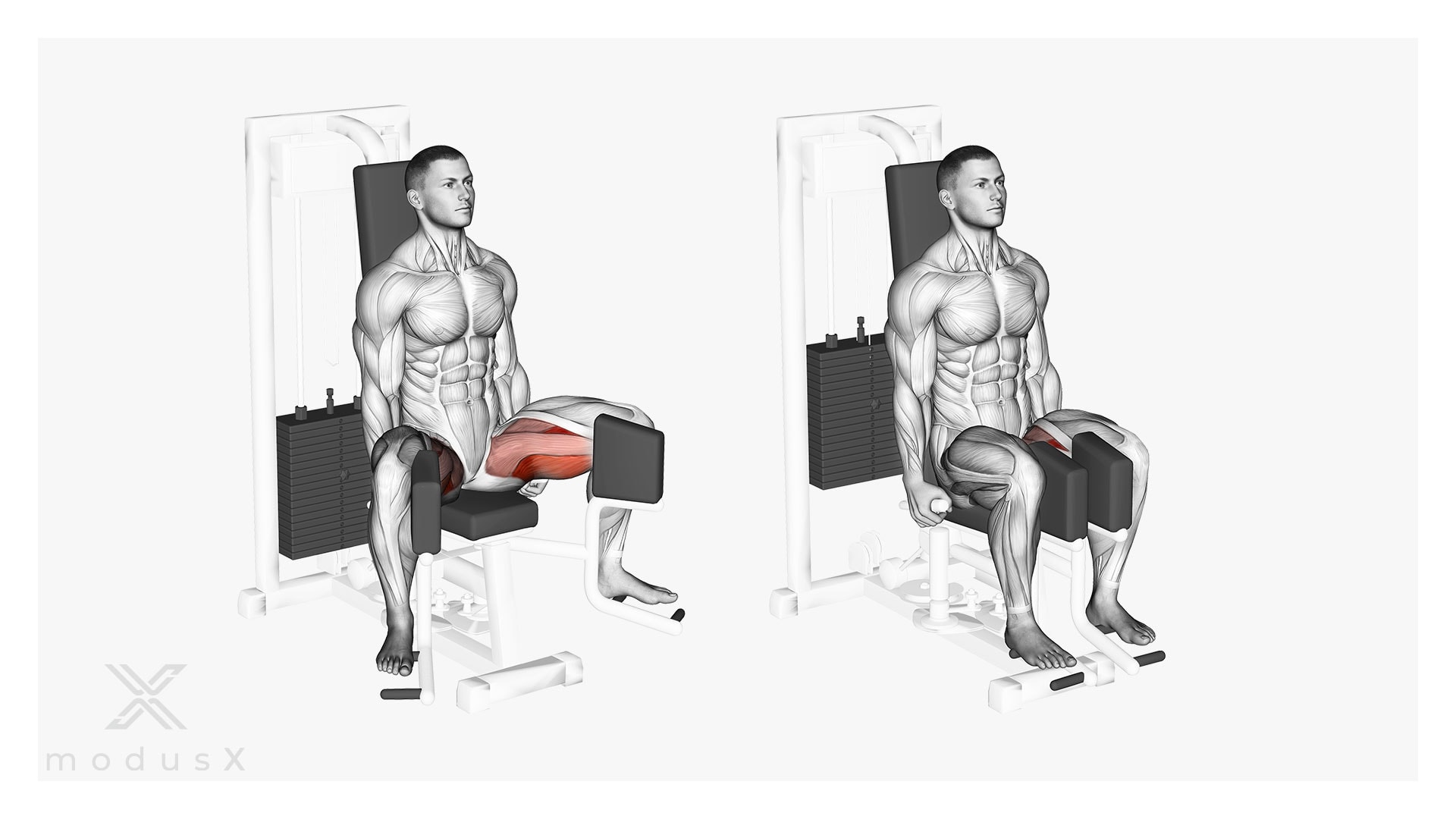
You can do inner thigh movements at the end of a leg workout or as part of a full-body workout. You may also utilize them to get your hips ready for compound actions during warm-ups. This combination makes training more balanced and effective.
Short, focused sessions can still work for people who don’t have a lot of time. Even a few well-planned sets can get the muscles moving and help you make progress. Regularity is more important than length.
An inner thigh workout goes well with other lower body exercises, thus it fits nicely into most fitness plans. As your adductor strength gets better with time, your performance in squats, lunges, and athletic motions gets better.
Long-Term Results and Strength for Everyday Use
Long-term training makes stability and movement quality much better. Strong inner thighs help you move more smoothly, stand up straighter, and feel more confident in your daily tasks. These functional benefits are sometimes more important than changes in appearance alone.
As the muscles get used to the exercises, they get easier. This progress shows that your neuromuscular coordination and strength have gotten better. To keep making improvement, you need to keep working hard and change up your training from time to time.
A constant strategy makes sure that inner thigh strength becomes a permanent aspect of overall fitness instead than just a momentary focus.
Conclusion
A good inner thigh workout is an important part of a balanced lower body workout. It helps keep everything stable, lowers the danger of injury, and makes all movements better. Even though these muscles are smaller than other leg muscles, they have a big effect on how well you perform and how comfortable you are.
Anyone may make their inner thighs stronger and more useful by learning about the anatomy, practicing with purpose, and moving up slowly. This method makes your body stronger and helps you stay fit in the long run.
The keys to success are still consistency, patience, and the right technique. Following these rules makes training your inner thighs a useful and gratifying element of any fitness program.
Read More:- How to Workout Inner Thigh Naturally for Strength and Toning